


Monday–Friday, 7:30 AM–5:00 PM

Services

Curodont

A conservative, minimally invasive treatment that supports remineralization of early tooth decay.

Minimally Invasive Care

A Conservative Treatment for Early Decay

Curodont is a minimally invasive treatment designed to support remineralization and help arrest early tooth decay before a traditional filling may be necessary. At San Diego Bay Dental in Chula Vista, CA, Dr. Madison Brown evaluates early areas of decay using a clinical exam, digital x-rays, and the iTero Digital Scanner when appropriate.

Smiling woman in a light green sweater outdoors

For patients with certain early, noncavitated areas of decay, Curodont may help preserve natural tooth structure without drilling. Our team focuses on prevention, conservative treatment, and ongoing monitoring so you understand how your teeth are responding and what steps may come next.

What Is Curodont?

Curodont is a treatment for certain early areas of tooth decay that have not progressed into larger cavities. It uses a self-assembling peptide designed to support mineral deposition within weakened enamel.

Instead of removing tooth structure, Curodont works with minerals naturally present in saliva and with fluoride to support the remineralization process. This makes it a conservative option for patients who may be able to treat early decay before a filling becomes necessary.

Not every cavity can be treated with Curodont. Dr. Madison Brown will evaluate the affected tooth and determine whether the lesion is an appropriate candidate.

Who Is a Candidate for Curodont?

Curodont is generally intended for early, noncavitated areas of tooth decay. These lesions may appear as white or brown spots or may be identified during a dental exam or through diagnostic imaging.

You may be a candidate if:

  • Tooth decay is still in an early stage
  • The affected area has not developed into a larger cavity
  • Preserving as much natural enamel as possible is a priority
  • Your dentist determines that the lesion may respond to remineralization

If decay has progressed too far, a filling or another restorative treatment may be more appropriate. Early detection gives patients more opportunities to consider conservative treatment options.

Curodont may also be appropriate for some younger patients. Our team works with families to explain treatment clearly and provide practical instructions for supporting oral health at home.

How Does Curodont Work?

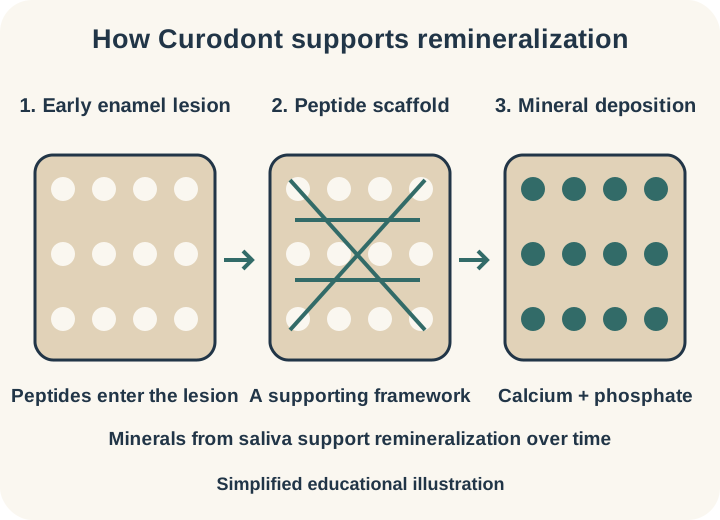
Curodont uses a peptide-based material applied directly to an eligible area affected by early tooth decay. The material forms a scaffold within the weakened enamel, supporting the uptake and deposition of minerals.

During treatment, the tooth is cleaned and prepared before the Curodont material is applied to the affected area. Salivary minerals and fluoride can then support the natural remineralization process over time.

Treatment is typically completed without drilling, and local anesthesia is often unnecessary. Depending on the number and condition of the affected areas, Dr. Madison Brown may recommend continued monitoring or additional treatment.

Peptides enter an early enamel lesion, form a scaffold, and support calcium and phosphate mineral deposition
Curodont’s self-assembling peptides support mineral deposition in eligible early enamel lesions. Simplified mechanism, not a treatment result.

What Happens During Curodont Treatment?

A Curodont visit is designed to be straightforward and conservative. Dr. Madison Brown first evaluates the tooth to determine whether remineralization is an appropriate option.

Your visit may include:

  • A clinical examination
  • Digital x-rays, when needed
  • An iTero digital scan, when helpful for monitoring
  • Gentle cleaning and preparation of the affected enamel
  • Application of the Curodont material
  • Instructions for supporting remineralization at home

Our team may also show you images of the affected areas to help you better understand what we are monitoring.

Most appointments are relatively simple when only a few teeth require treatment. Follow-up visits allow our team to evaluate changes and determine whether the area is responding as expected.

Benefits of Curodont for Early Tooth Decay

When used for an appropriate lesion, Curodont offers a conservative approach to addressing early tooth decay while preserving natural tooth structure.

Potential benefits include:

  • Little to no drilling when appropriate
  • Preservation of natural enamel
  • Minimal discomfort during treatment
  • No local anesthesia in many cases
  • Support for early tooth remineralization
  • Compatibility with fluoride and preventive home care

Curodont is not a replacement for good oral hygiene or regular dental visits. Brushing with fluoride toothpaste, maintaining a balanced diet, limiting frequent exposure to sugary foods and drinks, and attending routine checkups all remain important.

Can Curodont Fix a Cavity Without Drilling?

Curodont may help treat certain early areas of tooth decay without drilling, but it is not appropriate for every cavity.

The treatment works best when decay is still at an early, noncavitated stage. Once a cavity has progressed and significant tooth structure has been lost, a traditional filling or another restorative procedure may be necessary. A dental examination is the best way to determine which treatment is appropriate.

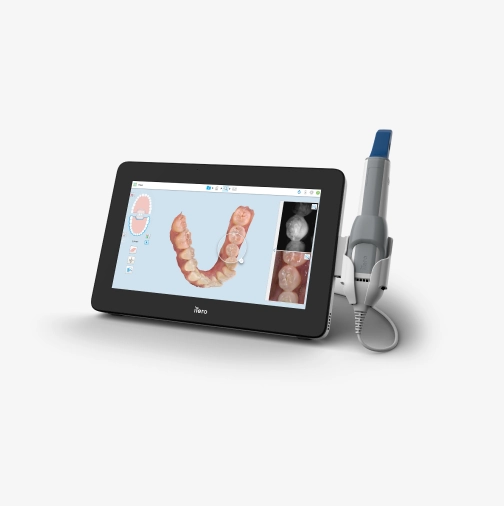
Manufacturer illustration of an iTero scanner and scanning wand
Digital impressions with iTero — manufacturer example.

Does Curodont Hurt?

Curodont treatment is minimally invasive and generally does not require drilling. Local anesthesia is often unnecessary.

The tooth is cleaned and prepared before the material is placed, and most patients can return to their normal activities after the appointment.

How Long Does Curodont Take to Work?

Curodont supports a remineralization process that occurs over time rather than instantly. Dr. Madison Brown may monitor the treated area during future visits using clinical exams, digital x-rays, or other imaging when appropriate.

The response can vary depending on the tooth, the extent of the lesion, oral hygiene habits, fluoride exposure, diet, and other factors.

Can Children Receive Curodont?

Curodont may be an option for some children with eligible early areas of tooth decay.

Because the treatment is minimally invasive and often does not require drilling or anesthesia, it may be especially appealing to families looking for conservative options. Dr. Madison Brown will evaluate the tooth and recommend treatment based on the individual child’s needs.

When Is a Cavity Too Advanced for Curodont?

Curodont is intended for early lesions that have not progressed into more extensive tooth damage.

If decay has created a larger cavity, significantly weakened the tooth, or reached deeper structures, restorative treatment may be necessary instead. Identifying decay early gives patients the greatest opportunity to consider remineralization.

Curodont in Chula Vista, CA

If you have been told you have early tooth decay or would like to learn whether a conservative treatment option may be appropriate, San Diego Bay Dental can evaluate your teeth and discuss your options.

Dr. Madison Brown and our team use digital x-rays, the iTero Digital Scanner, and clinical examinations to identify areas of concern and monitor oral health over time. Our goal is to preserve healthy tooth structure whenever possible while helping you make informed decisions about your care.

Call San Diego Bay Dental to schedule an exam and find out whether Curodont may be appropriate for you or your child. If you experience dental anxiety, let our team know when scheduling so we can help make your visit as comfortable as possible.

Patient Reviews

Real Patient Stories

Verbatim Google reviews from Dr. Madison Brown’s patients — honest care, gentle treatment, and smiles restored.

Story 01Comfort & Anxiety Care
“So happy to have found Dr.Brown & everyone at the office!”

Let’s Get Started

Your Next Visit Starts With One Call

Reach out to schedule your visit with Dr. Brown, or send us a message, and our team will get back to you.